


Send Message
Privacy statement: Your privacy is very important to Us. Our company promises not to disclose your personal information to any external company with out your explicit permission.


The Kia SUV represents a dominant force in the global automotive market, blending rugged capability with sophisticated design and advanced technology. For international buyers and procurement specialists, these vehicles offer a compelling value proposition that balances premium features with competitive pricing. As part of the renowned Hyundai Motor Group, Kia benefits from shared engineering excellence while maintaining its distinct brand identity focused on youthfulness, innovation, and reliability.
Kia's commitment to quality is evident in their comprehensive warranty programs and consistent top ratings in safety assessments. Whether you are sourcing for fleet operations, retail distribution, or commercial applications, Kia SUVs provide the versatility needed to meet diverse customer demands across various markets. Their extensive model lineup ensures there is an optimal solution for every segment, from compact crossovers to full-size off-road adventurers.
Procurement decisions for vehicle fleets require partners who understand both technical specifications and market dynamics. Kia has established itself as a preferred choice among international distributors due to several key advantages that directly impact business success and customer satisfaction.
Kia's 10-year/100,000-mile powertrain warranty provides exceptional risk mitigation for end-users, significantly enhancing resale value and buyer confidence. This industry-best coverage reduces total cost of ownership concerns and serves as a powerful sales tool for distributors.
With multiple Red Dot and iF Design awards, Kia SUVs command attention in showrooms worldwide. The distinctive "Tiger Nose" grille and sculpted body lines create strong visual appeal that resonates with style-conscious consumers across all demographics.
From digital cockpit displays to sophisticated driver assistance systems, Kia consistently delivers cutting-edge features at accessible price points. Technologies like Highway Driving Assist and Remote Smart Parking Assist position Kia as a leader in affordable innovation.
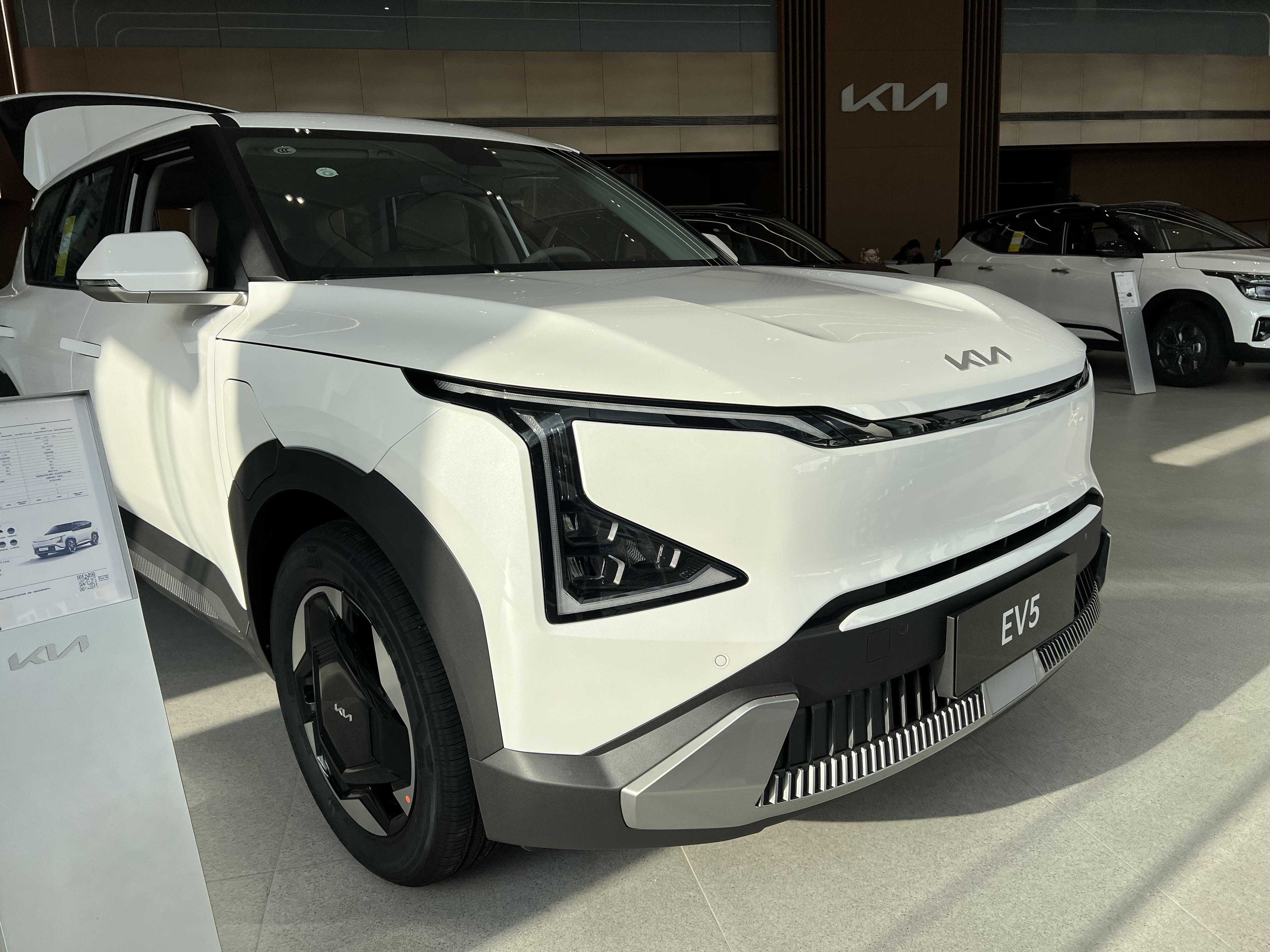
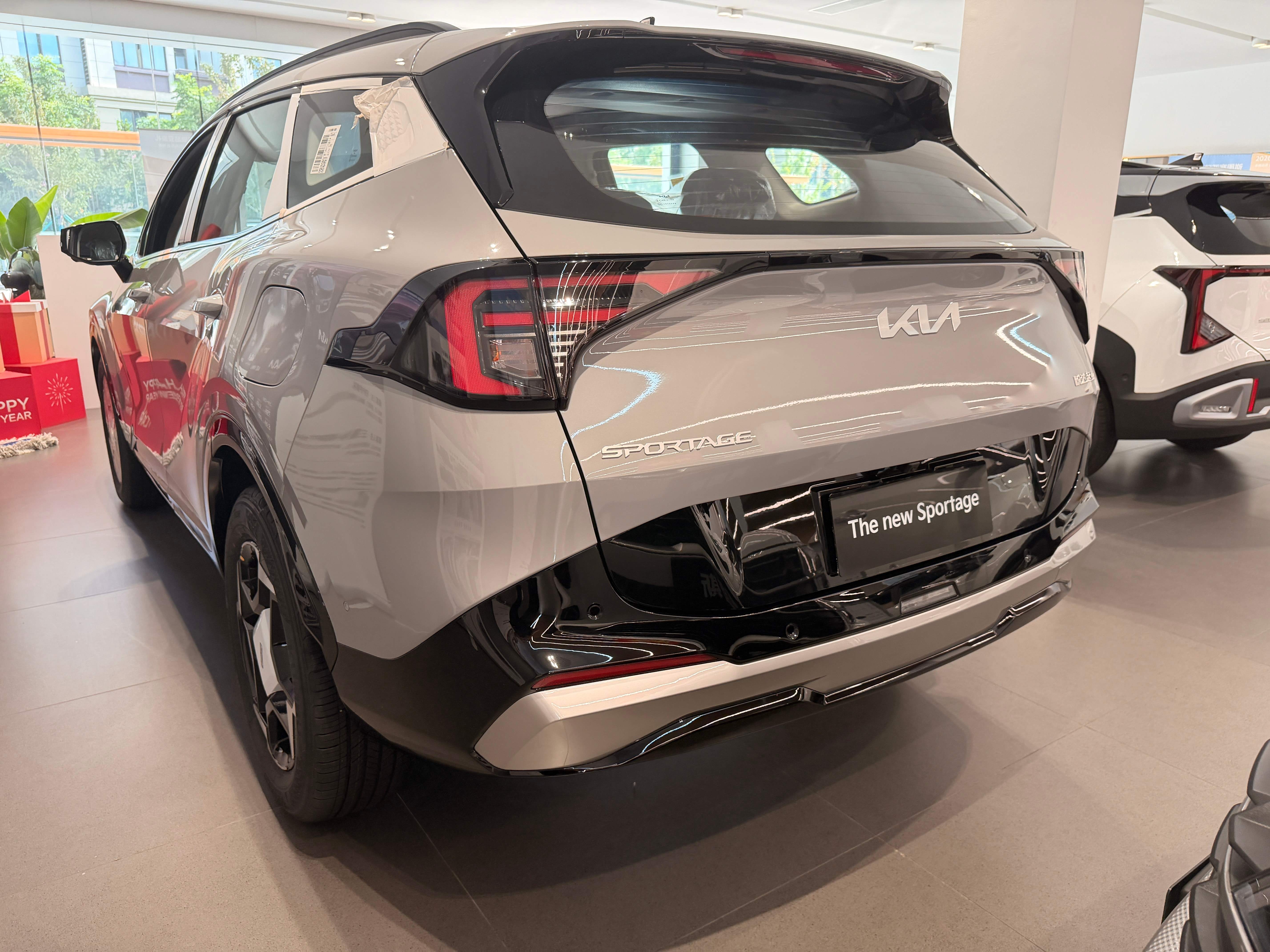
Understanding the manufacturing backbone behind Kia SUVs is essential for buyers evaluating supply chain reliability and product consistency. Kia Motors operates some of the most technologically advanced automotive facilities globally, implementing rigorous quality control measures that exceed industry standards.
Kia's manufacturing plants incorporate robotics, AI-powered inspection systems, and automated assembly lines that ensure precision at every stage. The Gwangmyeong Body Plant, for instance, utilizes laser welding technology achieving accuracy within millimeters, resulting in superior structural integrity and reduced noise vibration harshness (NVH).
Every Kia SUV undergoes over 100 quality inspections before leaving the factory. From material testing for chassis components to dyno testing for powertrain performance, each vehicle must pass stringent criteria. The company's zero-defect philosophy means that even minor deviations trigger immediate corrective action, ensuring only vehicles meeting exacting standards reach the market.
Kia's commitment to environmental responsibility extends to its production processes. Many facilities utilize renewable energy sources, water recycling systems, and waste reduction technologies. This sustainability focus not only benefits the planet but also appeals to environmentally conscious corporate buyers and government procurement departments seeking green supply chains.
Choosing the optimal Kia SUV model requires careful consideration of your target market's preferences, regulatory requirements, and operational demands. With a diverse lineup ranging from subcompact crossovers to robust three-row SUVs, making the right selection impacts both customer satisfaction and profitability.
Urban markets often favor compact models like the Sportage and Seltos for their maneuverability and fuel efficiency. Conversely, families and fleet operators serving rural areas may prefer larger options like the Sorento or Telluride for their passenger capacity and cargo versatility.
Consider local fuel availability, emission regulations, and charging infrastructure when selecting between gasoline, hybrid, and electric variants. Kia's growing electrified lineup includes the EV6 and Niro EV, ideal for markets with strong environmental incentives and developing charging networks.
Kia offers multiple trim levels allowing flexible positioning. Base models provide essential features for budget-conscious segments, while higher trims deliver luxury amenities like ventilated seats, panoramic sunroofs, and advanced infotainment systems for premium market positioning.
Ensure adequate technician training and parts inventory exist in your market before committing to large orders. Kia's widespread dealer network and parts distribution system generally support efficient maintenance, but verifying local capabilities prevents future service disruptions.
Before finalizing procurement contracts for Kia SUV shipments, verify these critical factors to protect your investment and ensure smooth market entry. This comprehensive checklist addresses regulatory compliance, financial considerations, and logistical requirements specific to international vehicle trade.
Confirm that selected Kia models meet your country's specific safety, emissions, and homologation requirements. Request certification documents from the manufacturer or authorized distributor to validate compliance with local standards such as Euro NCAP, ANCAP, or regional equivalents.
Calculate all expenses beyond the base vehicle price, including shipping, insurance, customs duties, taxes, port handling fees, and pre-delivery inspection costs. Understanding the complete cost structure prevents budget overruns and enables accurate profit margin calculations.
Review warranty terms carefully to understand how coverage transfers to end customers in your market. Some regions require specific registration procedures or limit international warranty validity. Clarify these details to avoid customer disputes and unexpected service costs.
Establish guaranteed parts supply agreements with clear delivery timelines. Critical components like filters, brake pads, and electronic modules should have documented stock levels and replenishment schedules to minimize vehicle downtime for your customers.
Inquire about available marketing materials, training programs, and promotional incentives from Kia's international division. Access to professional photography, specification sheets, and digital assets accelerates your market entry and reduces initial advertising expenditures.
Negotiate favorable payment structures that align with your cash flow cycle. Options may include letter of credit arrangements, installment payments, or supplier financing programs. Favorable terms improve working capital management and reduce financial risk during the import process.
Selecting the right supplier partner is as crucial as choosing the right vehicle models. Established distributors with direct manufacturer relationships offer significant advantages including priority allocation, authentic documentation, and comprehensive after-sales support that protects your business interests.
Partnering with official Kia dealerships in export-friendly regions ensures genuine vehicles with full manufacturer warranties. These suppliers typically maintain strong relationships with regional distribution centers and can facilitate complex logistics arrangements for bulk orders.
Specialized trading firms experienced in automotive exports streamline the procurement process by handling documentation, customs clearance, and transportation coordination. Look for partners with proven track records and positive references from international clients.
In regulated markets, working with government-authorized importers ensures full legal compliance and access to preferential tariff rates. These entities often possess deeper knowledge of local regulations and can navigate bureaucratic requirements more efficiently.
International buyers frequently encounter obstacles during the vehicle procurement process. Recognizing these common challenges in advance allows you to develop effective mitigation strategies and maintain smooth operations despite potential disruptions.
High demand periods can result in extended wait times for specific configurations. Mitigate this risk by placing orders well in advance, maintaining flexible specifications where possible, and establishing clear communication channels with suppliers regarding production schedules.
Vehicles manufactured for one market may lack features required in another. Always request detailed specification sheets and verify equipment lists against your market requirements before finalizing orders to avoid costly modifications or customer dissatisfaction.
Exchange rate volatility can significantly affect profit margins on fixed-price contracts. Consider hedging strategies or negotiating currency adjustment clauses to protect against adverse movements between order placement and payment completion.
Insufficient technician training or parts availability in new markets can damage brand reputation. Invest in comprehensive training programs for your service teams and establish robust inventory management systems to ensure consistent quality maintenance experiences.
Kia offers one of the most comprehensive warranty programs in the industry, typically including a 5-year/60,000-mile new vehicle limited warranty and a 10-year/100,000-mile powertrain warranty. However, warranty transferability varies by region and may require specific registration procedures. Buyers should confirm international warranty terms with their supplier before purchasing to ensure end customers receive proper coverage.
Standard delivery timelines range from 4 to 12 weeks depending on vehicle configuration, order volume, and shipping route. Popular models may experience longer wait times during peak demand periods. Establishing a partnership with a supplier who maintains regional inventory can significantly reduce lead times and provide greater flexibility for meeting customer deadlines.
While Kia manufactures vehicles to meet specific regional requirements, extensive customization is generally limited. Common adaptations include emissions equipment, lighting configurations, and infotainment software localization. Buyers should work closely with authorized distributors to identify feasible modification options and understand associated costs and timeline implications.
Various financing structures exist including letters of credit, supplier financing programs, and trade loans through local banks. Kia Motor Corporation sometimes offers promotional financing for qualified importers. Discussing your financial requirements with multiple suppliers helps identify the most cost-effective arrangement aligned with your cash flow capabilities.
Always request vehicles through authorized channels with verifiable paperwork including certificates of origin, bill of lading, and manufacturer warranty cards. Cross-reference vehicle identification numbers (VINs) with Kia's official databases when possible. Working with established, reputable suppliers minimizes documentation risks and ensures compliance with import regulations.
Privacy statement: Your privacy is very important to Us. Our company promises not to disclose your personal information to any external company with out your explicit permission.
Fill in more information so that we can get in touch with you faster
Privacy statement: Your privacy is very important to Us. Our company promises not to disclose your personal information to any external company with out your explicit permission.